
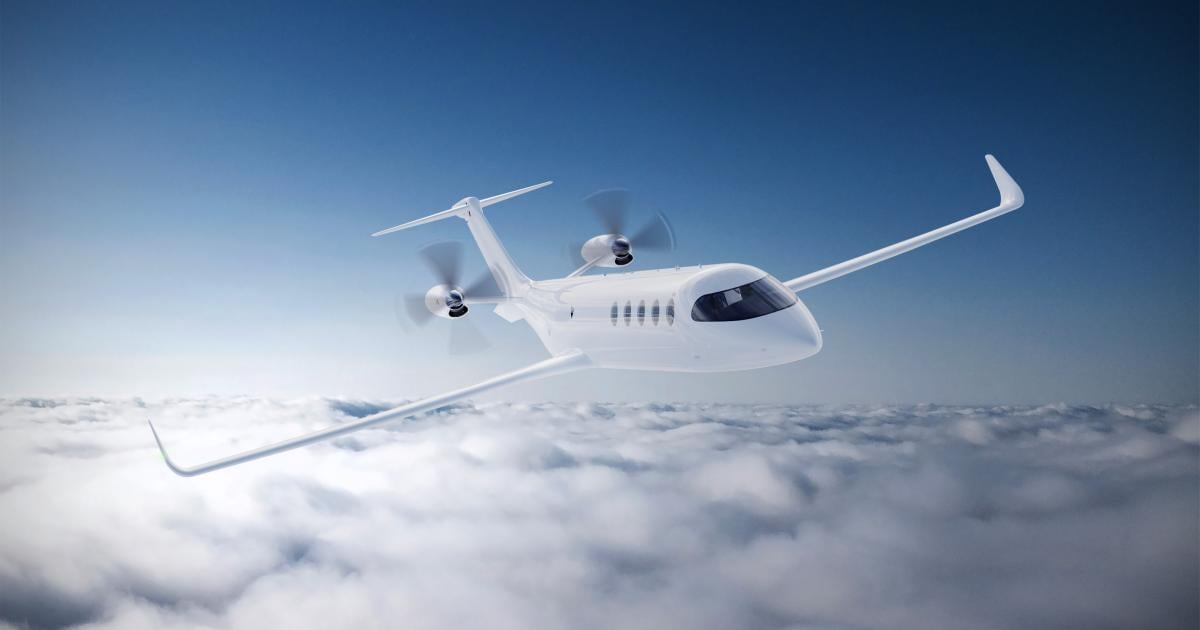
From the dawn of powered flight, weight and power have always been critical challenges. Initially driven by gasoline engines and later refined through advancements in jet propulsion, aviation has continually evolved. But the biggest transformation might yet be on the horizon—electric flight powered by advanced battery technologies.
For decades, battery weight and energy density limitations confined electric propulsion primarily to niche roles, like small drones or experimental aircraft. Now, we stand on the threshold of a revolution, enabled by recent breakthroughs pushing battery energy densities to unprecedented levels.
Imagine traveling swiftly and silently through the skies, propelled by batteries that are lighter, more powerful, and capable of reshaping our cities, supply chains, and transportation networks. The electric vertical take-off and landing (eVTOL) sector, drones, and electric aircraft promise not only more sustainable air travel but could significantly ease urban congestion and reduce carbon emissions worldwide. These advancements will unlock new possibilities in urban mobility, emergency response, cargo delivery, and even personal aviation.
Companies worldwide are aggressively innovating to achieve energy densities of 450Wh/kg or greater—a benchmark considered essential for practical and efficient flight. Here’s a close look at the frontrunners pioneering flight-specific battery technologies, promising not just incremental improvements but giant leaps toward the future of aviation.

1. CATL (Contemporary Amperex Technology Co. Limited)
CATL has raised the stakes with its remarkable breakthrough—a condensed battery technology boasting energy densities of up to 500 Wh/kg. This surpasses current market standards significantly. CATL’s battery technology leverages advanced cathode materials and innovative electrolyte solutions, specifically tailored for aviation applications.
In April 2023, CATL showcased a battery suitable for electric aviation that could enable eVTOLs to extend their flight range substantially. This achievement positions CATL not only as an automotive battery leader but as a critical player in the electric aviation landscape.
- Market State: CATL’s market capitalization stands impressively at approximately $131 billion (as of mid-2025), reflecting investor confidence in its leadership role.
- Timeline and Potential: CATL expects to scale commercial production by 2026, positioning itself to capitalize on an eVTOL market projected to exceed $30 billion by 2030.
2. Factorial Energy
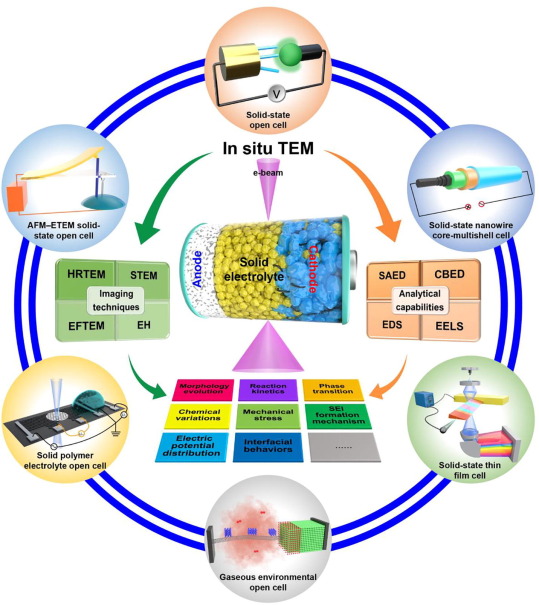
Factorial Energy has made significant strides in the solid-state battery domain, a critical component for electric flight due to its superior safety, higher energy density, and longer life cycles. Recently, Factorial delivered prototypes to drone manufacturers for extensive testing, marking a critical validation milestone for their aviation-specific battery technology.
Solid-state batteries developed by Factorial promise to significantly lower the overall aircraft weight, thus enhancing efficiency and flight range considerably.
- Market State: Privately held, Factorial has attracted substantial funding from major players, including Mercedes-Benz and Stellantis, with a valuation projected to surpass $1 billion in its next funding round.
- Timeline and Potential: Commercial availability for aviation-specific solid-state batteries from Factorial is targeted for 2027, aligning with an explosive growth period in eVTOL and drone markets.
3. QuantumScape
QuantumScape has been at the forefront of solid-state battery innovation. Known widely for their automotive applications, QuantumScape’s technologies also hold considerable promise for electric flight. Their lithium-metal battery cells offer superior energy densities, estimated well beyond the critical threshold needed for aviation—surpassing 450Wh/kg.
QuantumScape’s solid-state technology offers enhanced safety and higher thermal stability, essential factors for aerospace applications.
- Market State: QuantumScape’s market cap currently stands around $3 billion, driven by robust interest in solid-state battery applications.
- Timeline and Potential: QuantumScape aims to achieve commercial production by 2026. Analysts project the aviation battery market alone to be worth $5 billion by the end of the decade, providing ample opportunity for QuantumScape to expand its influence.
4. Amprius Technologies
Amprius Technologies specializes in silicon-anode lithium-ion batteries, achieving industry-leading energy densities above 450 Wh/kg. Already proven in drone applications, Amprius batteries significantly increase flight times and payload capacities, essential criteria for advanced air mobility (AAM).
With successful deployments in high-altitude pseudo-satellites and drones, Amprius is strategically positioned to capture a significant share of the emerging aviation battery market.
- Market State: Amprius Technologies, publicly traded, has a market cap of approximately $1.2 billion.
- Timeline and Potential: Already commercialized for drone applications, Amprius is now focusing heavily on broader eVTOL applications, expecting substantial market penetration by 2027.
5. Sion Power
Sion Power’s Licerion batteries feature lithium-metal technology capable of delivering energy densities above 500Wh/kg. Tailored explicitly for aviation and high-altitude drone applications, these batteries promise longer flight durations, increased payloads, and safer operational parameters.
The company’s revolutionary design incorporates protective lithium-metal anode layers, significantly reducing the risk of dendrite formation—a crucial safety improvement for aerial vehicles.
- Market State: Privately held with substantial venture capital backing, Sion Power’s valuation estimates hover around $800 million, with further funding rounds anticipated.
- Timeline and Potential: With field tests currently underway, Sion Power anticipates commercial-scale production readiness by late 2025, aligning perfectly with the expanding eVTOL and drone market demands.
Market Dynamics and Future Potential
The electric flight market is rapidly approaching a tipping point, driven by advancements in battery technology that directly impact the feasibility and economics of eVTOLs, drones, and electric aircraft. With estimates placing the electric aviation battery market growth at a CAGR of 15% through 2030, the sector is projected to exceed $30 billion.
Major investments, strategic partnerships, and critical breakthroughs by companies like CATL, Factorial, QuantumScape, Amprius, and Sion Power are indicative of the immense potential and upcoming transformation within the aviation industry. Each company’s roadmap aligns with projected growth, demonstrating readiness to meet market demand at scale.
The Sky’s No Longer the Limit
As battery technology continues to break boundaries, the vision of electrically powered flight is no longer confined to science fiction—it is swiftly becoming reality. Investors, engineers, and aviation enthusiasts alike should keep a close eye on these pioneering companies. They’re not just transforming the way we fly; they’re setting the stage for a cleaner, quieter, and more sustainable aviation future
0 Comments